Fake news, trolls, bots, inappropriate accounts and contents flood the internet and social medias, and they are on the rise. Whether is it done intentionally, unintentional misrepresentation, or the lack of knowledge of true facts before sharing to more people, these actions contributed towards the dark side of increased connectivity and access through the internet and social media.
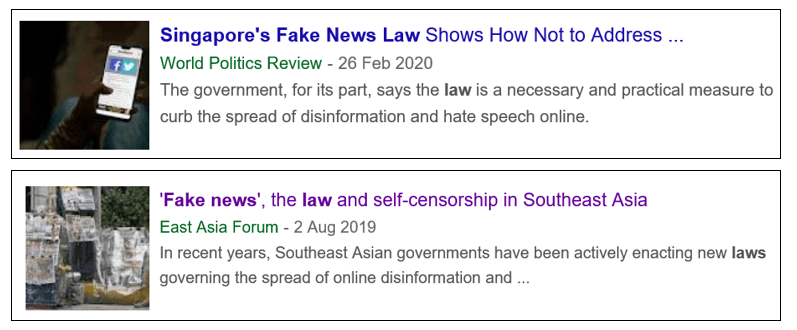
These lead to an increase of laws, such as the POFMA (Protection from Online Falsehoods and Manipulation Act), to tackle “fake news” which in turn threatened media freedom in several countries, as a trade-off for protection against fake news and contents.
A recent example of POFMA being filled to protect victims of misleading viral Facebook post is a couple accused of hoarding and stockpiling the eggs when the truth was that they were school canteen vendors who were purchasing supplies and not hoarding eggs due to neighbouring country’s lockdown announcement.
Some of Facebook’s initiatives in tackling inappropriate contents:
Facebook estimated that they prevented millions of attempts to create fake accounts using their detection systems every day in 2019, and found that their content actioned for spam increased in Q2 2019 and had since then taken enforcement. Facebook reportedly removed inappropriate accounts and contents during Q3 2019, where 11.6 million contents depicting child nudity and sexual exploitation were removed from Facebook and 754,000 from Instagram. 2.5 million posts about suicide or self-injury, terrorist propaganda, and more were also removed.
To educate users, a new enforcement page was published to shows multiple examples of how their Community Standards apply to different types of content. Facebook also complied with Singapore’s fake news law.

Some of Twitter’s initiatives in tackling inappropriate contents:
Twitter posted about their rules and policies, (e.g. hateful conduct policy, child sexual exploitation policy and report violations), guidelines and policies (e.g. Terrorism and violent extremism policy and Financial scam policy), and law enforcement guidelines for Twitter users and general public to access and read to understand and guide to how how they can report the any violations.
Twitter also tried a new approach to manage trolls and reported a result of 4% drop in abuse reports from search and 8% fewer abuse reports from conversations in 2018 (Del Harvey and David Gasca, 2018), and suspended thousands of accounts to fight the spread of disinformation and political discord.

The dark side of the digital world:
Despite internet and information technology being major contributors to global development, digital innovations may be a shared root cause of poor physical wellbeing and in some cases even affect mental health. Digital and connectivity platforms such as WhatsApp and Telegram is also used as a base for unethical activities such as scam, spam, harassment and exploitation.
A recent exploitation example is the Korean Telegram porno ring “Nth Room” with 260k members exposed to exploiting and forcing violent crimes on Women and Female minors into sexual slavery by blackmailing victims with their private information. This is a real example of how some users took advantage of the digital world to harm others due to wide usage and easy connectivity and accessibility of digital platforms.
Conclusion:
In this digital age, heavy reliance on the internet, social media and digital devices exposes digital users to various risks such as scam, spam, fake news, and danger. Therefore, everyone has a responsibility towards keeping the online community a safe place.
Do not create or engage in immoral contents and communities that will bring any harm. If you see a post / content or activities that promotes or propaganda about immoral issues and practices, make a report towards relevant site management (e.g. Facebook, Instagram and Twitter) or the POFMA to protect yourself, your family, your peers, and the online community.
Things to take note of
Some methods to check for the authenticity of news include:
– Check if official news and / or government sites reported it.
– Verify information source (such as the URL and website).
– Check the author of the source or article.
– Examine for fake images and impersonation.
Some prompts / actions to watch out for:
– Do not respond if it requires disclosing of personal information (unless they are required by verified websites such as government website).
– Do not save your bank / credit card details and information online.
– Never pay by bank transfer.

 SXW's Digital Marketing Learning Journey