What does social media and digital marketing mean to you?
For non-marketers, social media is a channel to interact with friends and family, and to keep up with external factors such as celebrity updates, news updates, promotion updates and more. However, for marketers, social media and digital marketing is a popular new communication method to reach out and understand customers.
Mark Ritson argues that digital is meaningless as similar marketing prints are applied through traditional channels such as newspapers and synergistically linked with social media and stands by his opinion that they are just tools that when combined and used together in a campaign, it brings better results as the integrated marketing campaign. He also holds a point of view that relying on social media as the only digital tool is restricting from using more powerful marketing tools.
The common goal of social media, digital and traditional marketing is to be customer-centric by thinking of their target consumers as their long-term investment. Therefore, a combination of social media, digital and traditional marketing leads to a strong marketing campaign overall as it will target all contact points to ensure higher chances of reaching and interacting with target and even non-target consumers.
(Wots The Big Idea, 2020)
Is there an overreaction towards social media and digital marketing like what Mark Ritson had pointed out? I do not think so. I feel that social media and digital marketing are new tools developed to fit the modern era of technological advancements and digitalisation, and these developments added on more avenue for marketing to expand and capitalise on.
Mark Ritson also mentioned that marketers should listen to customers before strategies and tactics and this is important as the main goal of marketing campaigns is to reach consumers in the end. Therefore, understanding what consumers want by standing in their position provides more insights to select the right marketing tools and strategies.
Therefore, marketing campaigns at present times can incorporate social media, digital and traditional marketing as a whole marketing campaign to generate better results with “proficient development of strategies and tactics along with the prioritization of such programs” (Kieran Hannon, 2016). This is backed up with Mark Ritson’s belief that a good marketer should be trained in marketing in aspects such as in developing and executing diagnosis, strategy and tactics.
Final Conclusion: Just like how social media marketing was not a popular option in the past, the stigma that social media was just for connection has changed to become a popular marketing tool to target present day consumers. Thus, the tools and capabilities of marketing will continue to advance and be developed further as the world advances.
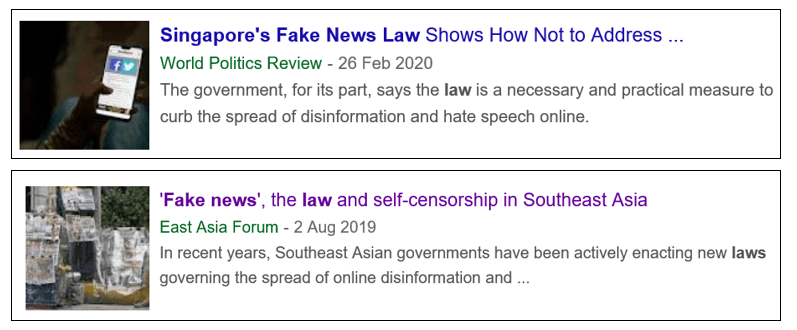
Fake news, trolls, bots, inappropriate accounts and contents flood the internet and social medias, and they are on the rise. Whether is it done intentionally, unintentional misrepresentation, or the lack of knowledge of true facts before sharing to more people, these actions contributed towards the dark side of increased connectivity and access through the internet and social media.
A recent example of POFMA being filled to protect victims of misleading viral Facebook post is a couple accused of hoarding and stockpiling the eggs when the truth was that they were school canteen vendors who were purchasing supplies and not hoarding eggs due to neighbouring country’s lockdown announcement.
Some of Twitter’s initiatives in tackling inappropriate contents: Twitter posted about their rules and policies, (e.g. hateful conduct policy, child sexual exploitation policy and report violations), guidelines and policies (e.g. Terrorism and violent extremism policy and Financial scam policy), and law enforcement guidelines for Twitter users and general public to access and read to understand and guide to how how they can report the any violations.
The dark side of the digital world: Despite internet and information technology being major contributors to global development, digital innovations may be a shared root cause of poor physical wellbeing and in some cases even affect mental health. Digital and connectivity platforms such as WhatsApp and Telegram is also used as a base for unethical activities such as scam, spam, harassment and exploitation.
A recent exploitation example is the Korean Telegram porno ring “Nth Room” with 260k members exposed to exploiting and forcing violent crimes on Women and Female minors into sexual slavery by blackmailing victims with their private information. This is a real example of how some users took advantage of the digital world to harm others due to wide usage and easy connectivity and accessibility of digital platforms.
Conclusion: In this digital age, heavy reliance on the internet, social media and digital devices exposes digital users to various risks such as scam, spam, fake news, and danger. Therefore, everyone has a responsibility towards keeping the online community a safe place.
Do not create or engage in immoral contents and communities that will bring any harm. If you see a post / content or activities that promotes or propaganda about immoral issues and practices, make a report towards relevant site management (e.g. Facebook, Instagram and Twitter) or the POFMA to protect yourself, your family, your peers, and the online community.
Things to take note of Some methods to check for the authenticity of news include: – Check if official news and / or government sites reported it. – Verify information source (such as the URL and website). – Check the author of the source or article. – Examine for fake images and impersonation.
Some prompts / actions to watch out for: – Do not respond if it requires disclosing of personal information (unless they are required by verified websites such as government website). – Do not save your bank / credit card details and information online. – Never pay by bank transfer.
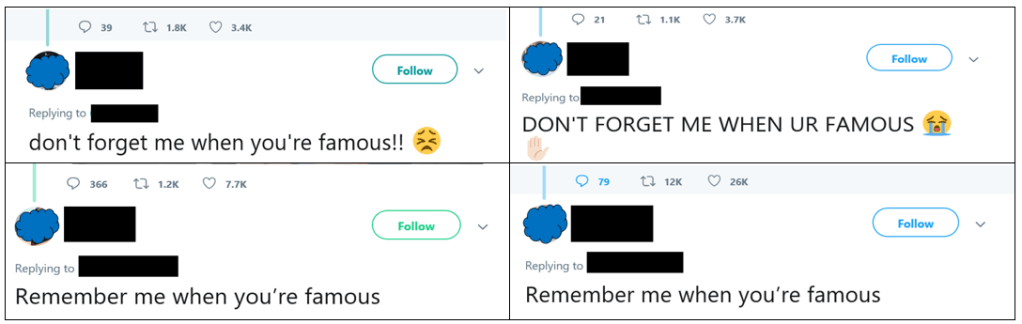
Social media users might have seen this common comment by friends or long-term followers of the content poster under a post or tweet that had gone viral or received many retweets / likes, like the ones shown in the snippets of some Twitter tweets below.
Viral posts / tweets are rare. For some, virality is short-term, and for some, it had long term effect. However, for most, it did not work towards their favour.
In my previous blog posts, I covered about relevant aspects that contributed towards virality such as the Facebook segmentation matrix to identify the right target group, approaches for the spread of ideas and contents, marketing for mobile social media applications, how IoT and big data can link the business / product with consumers, and how the science and art aspects of SEO are vital for a successful SEO. In this blog post, we will explore reasons why some contents did not go viral and examples of solutions to improve.
Reasons for lack of virality:
1. Digital-only Integrated Marketing Communications (IMC): Marketing strategies must consider both online and offline elements. The first principle of IMC is consistency, and when the online strategy is unmatched with offline strategies, it is considered as a breach. This leads to a confused brand message which will confuse consumers.
2. Lack of Clear Understanding of Target Audience: It is important to clearly identify target audience by demographic and psychographic (attitudes, interests and behaviors), to develop key messages and identify the best communication channels (Linda Pophal, 2014).
For example, Bloomingdale’s, a high-end fashion retail, 2015 Christmas advertisement appeared to promote date rape with their advertisement message. Despite being a high-end retail business, Bloomingdale’s failed to ensure proper advertisements that matched their target customers and image. Although virality was achieved, it received negative responses from their customers and non-customers.
An example of an successful viral advertisement which used emotional appeal: The “Always #LikeAGirl” advertisement by feminine care company “Always” managed to achieve virality because they managed to address social perceptions of females which evoked some anger and empathy.
4. Not “Share-worthy”: A content is “share-worthy” if it resonates with the audience or is funny, useful, relevant or that it also affects others, and more. Some factors that could be missing from advertisements / campaigns / business that were considered as not “share-worthy” includes the lack of triggers, lack of practical value, lack of credibility, lack of connection, and lack of call-to-action prompts.
For example, an advertisement about a new menstrual pad solely based on the product might not evoke a lot of shares and affect. However, when emotional elements are incorporated along with the brand, such as the “Keep girls in school” campaign by Whisper, it will resonate more with viewers and even leave lasting memories
5. Wrong Timing: The timing of the launch of an advertisement / campaign / post is crucial as it affects the demand and and reach towards consumers.
For example, in this current period where COVID-19 affected many countries world-wide, the advertising for a cruise trip / holiday to overseas / hotpot business that encourages group sharing of food would not be effective due to ban on cruise vessels, travel restrictions and fear for sharing food. Promotion of such businesses would lead to lack of content reach as it would not be searched by most people during this period.
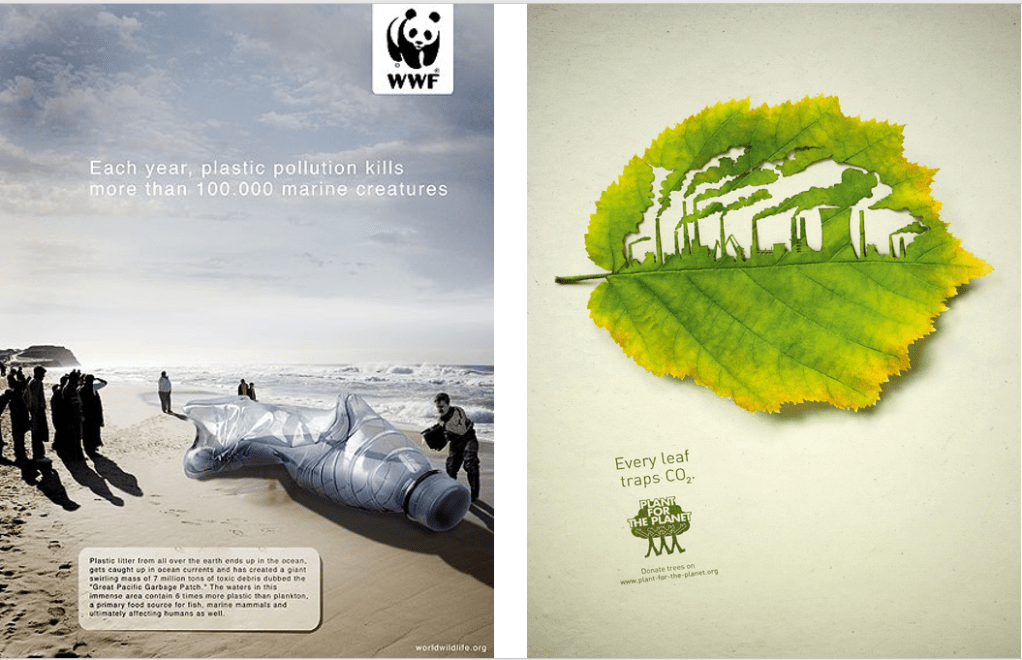
6. Poor Visual Appeal: Visual appeal matters as it affects how viewers will view and perceive an advertisement / campaign / poster. One of the major factor in an advertisement is viewer’s perception. Therefore, a poor visual will not attract attention and even a click to view from consumers.
7. Poor or Wrong Distribution: Content distribution is the process where content gets discovered, read, and re-shared through promoting to targeted individuals (Bobby Machado, 2019). The use of a wrong or lack of target audience distribution will incur negative impacts as content distribution is essential in expanding reach and overall brand / campaign / advertisement awareness (Bobby Machado, 2019).
Popular distribution channels for contents that worked for businesses are owned channels (e.g. website), earned media (e.g. social medias – Instagram, Facebook and more), and paid distribution (e.g. video advertising – YouTube advertising and more). These distribution channels also provide functions that allows for more opportunities to be shared, such as the Instagram share post function and Twitter retweet function.
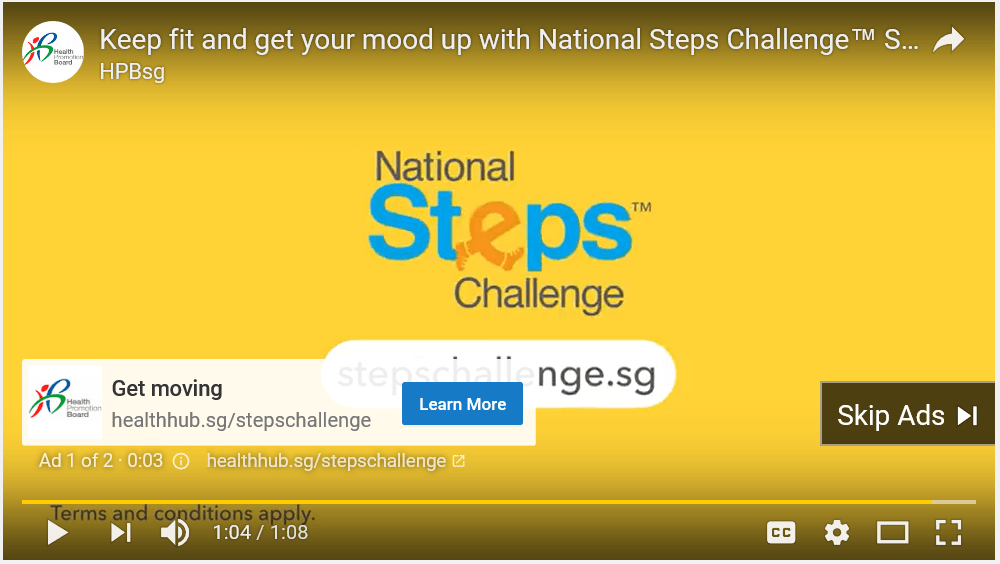
An example of a health campaign (National Steps Challenge season 5, Singapore) being promoted through YouTube advertising:
Conclusion: Viral marketing is the goal of many companies, although it does not happen to all companies. Positive virality is a strong push for the brand / business / campaign / advertisement to gain wider content reach and even follow-up action from the consumers (such as further search on the brand, purchase, and more).
However, a lack of virality can also increase the brand value over time as long as the business conducts the right marketing with the right techniques (such as some of the mentioned solutions and examples above), to build up a base and recognition over time. There are also brands that are successful without virality. For example, established long-time local bakery “Four Leaves Bakery” did not conduct much advertising but is still a popular bakery among consumers with various positive reviews online. Krispy Kreme is another brand that does not conduct much advertising as the brand was build on word-of-mouth.
Therefore, positive virality is a bonus and an opportunity to capitalise and build on the sudden increase in brand awareness / popularity, and negative or the lack of virality is a chance to learn from experiences, relook and replan marketing strategies for future strategies.
If everyone perceived the world and even the meaning and application of science and art differently, then what is the actual truth and unambiguous reality?
The debate of differences between science and art lasted over centuries, and it seems like this debate will last through the eternity of humanity’s era.
(Michelle Shane, 2016)
Both science and art are in a symbiotic relationship. Science needed to be seen and explained creatively to be understood, and art found a new way to be expressed, visualised and communicated by relating to science as a basis. The combination of both leads to a new perspective that one might now have thought of being useful before (James Stephenson, 2017). Applied science is technology. Applied art is decoration. Both are applications of science and art for practical purposes, and science and art changes how we perceive what is around us (Dave Featherstone, 2016).
How does this affect the perception that we have about our modern technological world? Lets explore a technological debate: Is Search Engine Optimisation (SEO) a science or art?
My personal opinion is that SEO is both science and art. While your perception might differ from mine, here are the comparisons and reasons that lead to my perception that SEO is both science and art.
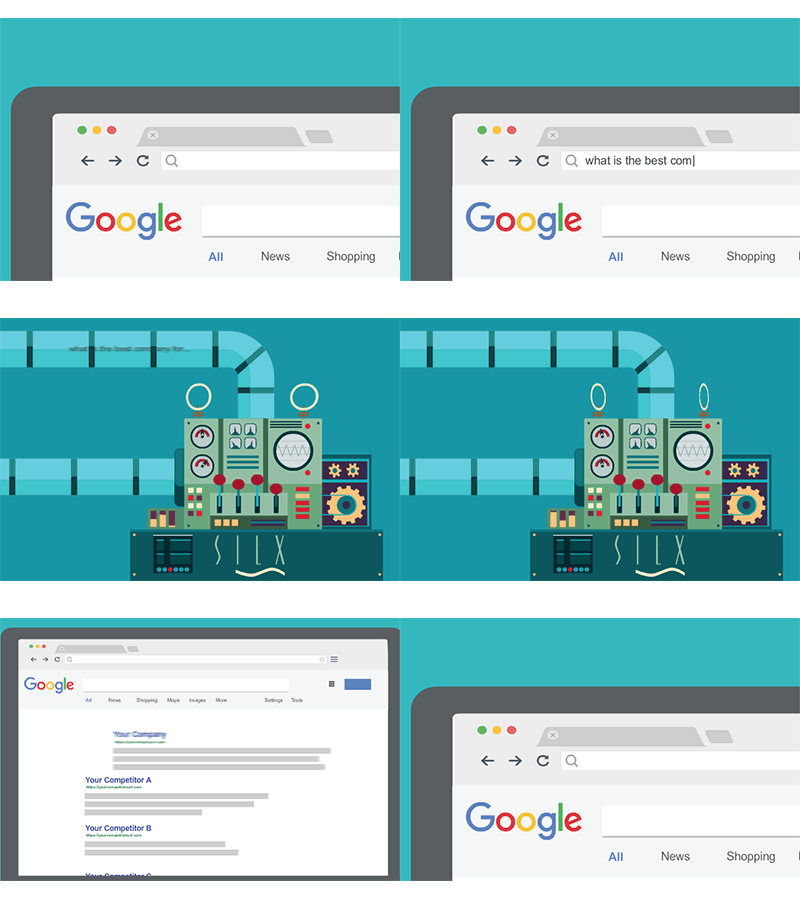
First, what is SEO? SEO is one of the key search engine marketing (SEM) technique that is based on organic listings. It is a structured approach to increase the company’s or its products’ position in search engine natural or organic results listings for selected keywords or phrases (Chaffey et al, 2012).
SEO tries to promote the “white hat” technique of genuine, high quality content that customers want to receive as providing true values leads to lower bounce rates out of the website. Optimization for mobile platforms are important due to the rise in mobile usage.
(Robert Herzig, 2018)
SEO and Science Comparison:
Science
SEO
A branch of knowledge or study dealing with a body of facts or truths systematically arranged and showing the operation of general laws.
A structured approach in search engine organic results listings for selected keywords (Chaffey et al, 2012), in an ordered sequence through Google’s algorithm (Eric Sharp, 2015).
Systematic knowledge of the physical or material world gained through observation and experimentation.
SEO requires periodic observation of consumers’ pattern and trends online. Google’s algorithm formulas are the brain of search engines (Eric Sharp, 2015).
Google Verification allows verification of ownership of a website. Tests, experiments, and metrics are the key to SEO (Neil Patel).
SEO and Art Comparison:
Art
SEO
Quality, production, expression, or realm, according to aesthetic principles, of what is beautiful, appealing, or of more than ordinary significance.
Quality: Researching and studying a design (keyword research, website layout). Production: setting of foundation (on and off-site optimization). Expression: SEO tools (e.g. backlink analysis tools) are like paint brushes and canvass (Sen Si. 2020).
Any field using the skills or techniques of art such as advertising art.
Quality and relevant contents that readers and algorithms want to receive (Rob Peterson, 2014).
Creativity.
Creative SEO is thinking of how a marketing program can encompass social, graphic design, link building, content generation, and PR to drive toward a common goal (Rob Petersen, 2014). It is also about the website’s design/code so that usability and accessibility improves (Mark Jackson, 2011).
Conclusion: Although digitalisation has turned marketing more into a science than an art form, there are many ways that online marketing techniques (like SEO) are still done through the combination of both forms.
A blend of scientific skills with creativity on experimenting or improving programs can lead to a competitive edge. Therefore, SEO is science and art because mathematical models do not establish business goals, relate or understand why audience purchase certain product. And every optimization process and project are unique. However, to be able to execute a good SEO, one will require skills and knowledge of SEO and the various algorithms that underly the website and SEO.
Just like how a creative staff cannot develop and execute creative strategies without understanding how to use and apply SEO, a technology staff cannot rely only on technical knowledge to implement attractive SEO that relates to consumers. Therefore, SEO is a combination of both science and art.
“Life imitates art far more than art imitates life… results not merely from life’s imitative instinct, but from the fact that the self-conscious aim of life is to find expression, and that art offers it certain beautiful forms through which it may realize that energy” – Oscar Wilde
You might wonder, how does the above quote link to this blog post about the Internet of Things (IoT) and Big data?
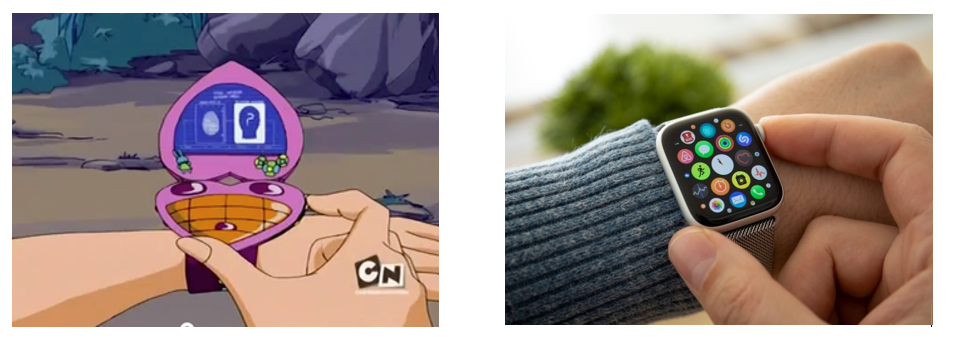
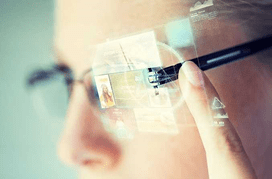
In the late 1900s and early 2000s, popular cartoon “Totally Spies”, and popular anime “Detective Conan” and “Digimon: Digital Monsters” featured futuristic gadgets and technologies that could only be found in the animations. Today, some of these made-up technologies in the animated world transcended beyond the limits of animated art and fancy ideas into real life gadgets. For example:
Smart Wearable: The Scanner Watch from “Totally Spies” created in 2003 (left), and the Apple Watch Series 6 that is looking to bring advanced technology of facial scanner and recognition into their watch created in 2019 (right).
Artificial Intelligence (AI): Digimon’s AI creatures who can learn, think, feel emotions and more was created in 1999 (top), and first humanoid robot “Pepper” who can recognise human emotions was created in 2014 (bottom).
These evolutions in technology is due to the increase in study and application of IoT and Big Data.
1. Volume: Organizations collect data from a variety of sources, including business transactions, smart (IoT) devices, and more.
2. Velocity: The growth in the IoT leads to data streams at an unprecedented speed and must be handled in a timely manner.
3. Variety: Data comes in all types of formats, from structured, numeric data in traditional databases to unstructured text documents, emails, videos, financial transactions, and more.
Benefits: Marketers can use IoT and big data to connect devices together and connects things across different platforms, analyse customer buying habits across platforms, gather previously unobtainable data about consumer interaction with devices and products, gain deeper insights into a customer’s buying journey, provide real-time point-of-sale notifications and targeted ads, and resolve issues and respond quickly.
For consumers, IoT can provide convenience and comfort (e.g. security systems allows easier monitoring and control of home situations and smart thermostats can heat up homes before home owners return home), save time (e.g. consumers can purchase online when lack the time to physically shop), receive enhanced experiences (e.g. smart school building provides better learning environment), receive more responsive services (e.g. 24 hours online chat-bot to attend to queries even after working hours), and more.
Problems: There is no real solution or ideal solution for IoT and over-reliance on IoT creates vulnerability towards hacking and invasion of privacy (such as the recent case where a hacker accessed a ring camera installed in a children’s room and harassed the child). A data drenched world increases concerns about privacy and personal abilities for self-control as there will be complicated and unintended consequences such as the lack of knowledge to fix when things get out of control or when misused. The disconnected and those who do not want to be connected will stray further away from the connected society.
With the advancement and increase in use of IoT, marketers have more opportunities to manipulate consumers on their choices and perceptions. Marketers will also need to put in more effort to present authenticity. The “filter bubble” effect also comes in where consumers will only receive information about what they or their peers want / like, leading to a lack of exposure towards other information that might be relevant or important.
Future of IoT and Big data: There has been a vast convergence of IoT, big data and AI incorporated into businesses. Although the world is currently in its early stages of incorporating IoT, big data and AI into daily work and living, there are a lot of possibilities and prospects where these technologies will provide more beneficial effects in businesses and daily lives.
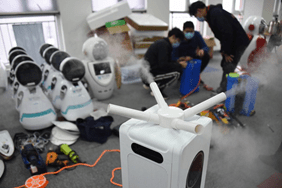
Robots created for handling biohazardous waste and perform decontaminating procedures are ideas born out of an era of increasing experience with pandemic risks (Eric Rosenbaum, 2020). A current example (as at 2 March 2020) where IoT, big data and AI plays a crucial role is in the COVID-19 epidemic. For example, robotic sprayers are used to disinfect and reduce transmissions in China.
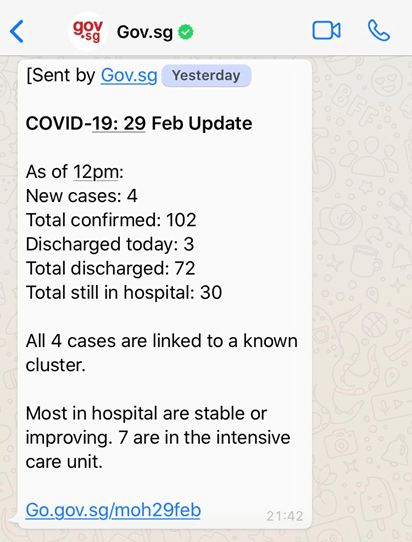
The collection of data and current big data allowed Singapore to effectively conduct contact tracing of those who were in contact with the infected patients and to plan and disseminate information accordingly (e.g. the Gov.sg WhatsApp service to provide reliable information about COVID-19 situation in Singapore).
Therefore, IoT, big data and AI will have increasing importance and bigger roles to play as the world progresses and even in critical times. However, it is important to use these technological aspects ethically to avoid a future of uncontrollable technological singularity.

















 SXW's Digital Marketing Learning Journey